Water Science & Properties
The physics and chemistry of water — density, weight, heat, viscosity, humidity and phase behaviour, explained clearly and backed by the standard formulas.
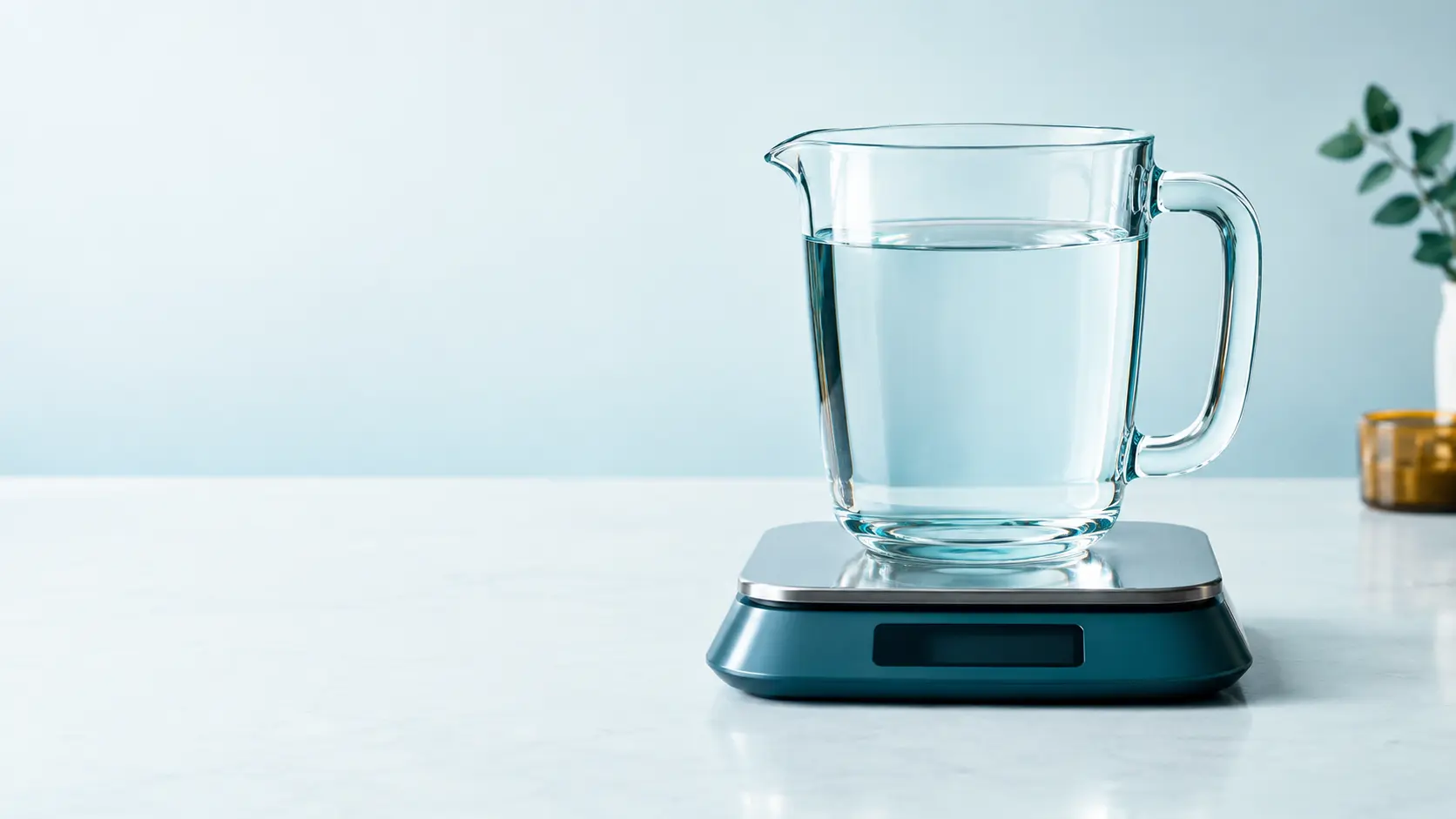
How Much Does Water Weigh? A Complete Guide by Volume
A gallon, a liter, a cubic foot — here's exactly what water weighs, and why the number shifts a little with temperature. John Mac, PE··7 min read
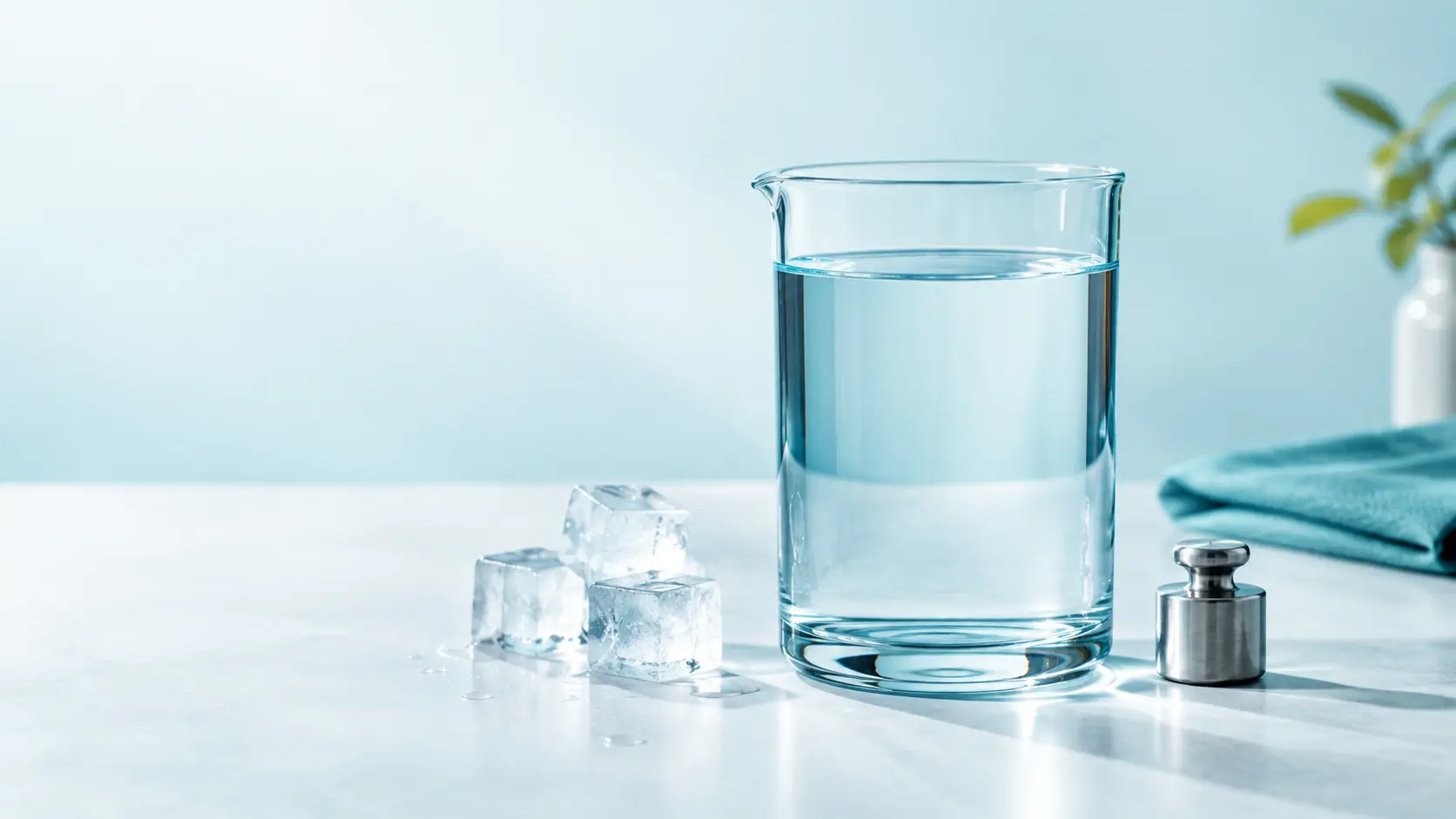
The Density of Water Explained (and Why It Matters)
Why water is densest at 4°C instead of at freezing, why ice floats instead of sinking, and how to calculate water's density at any temperature yourself.John Mac, PE··11 min read
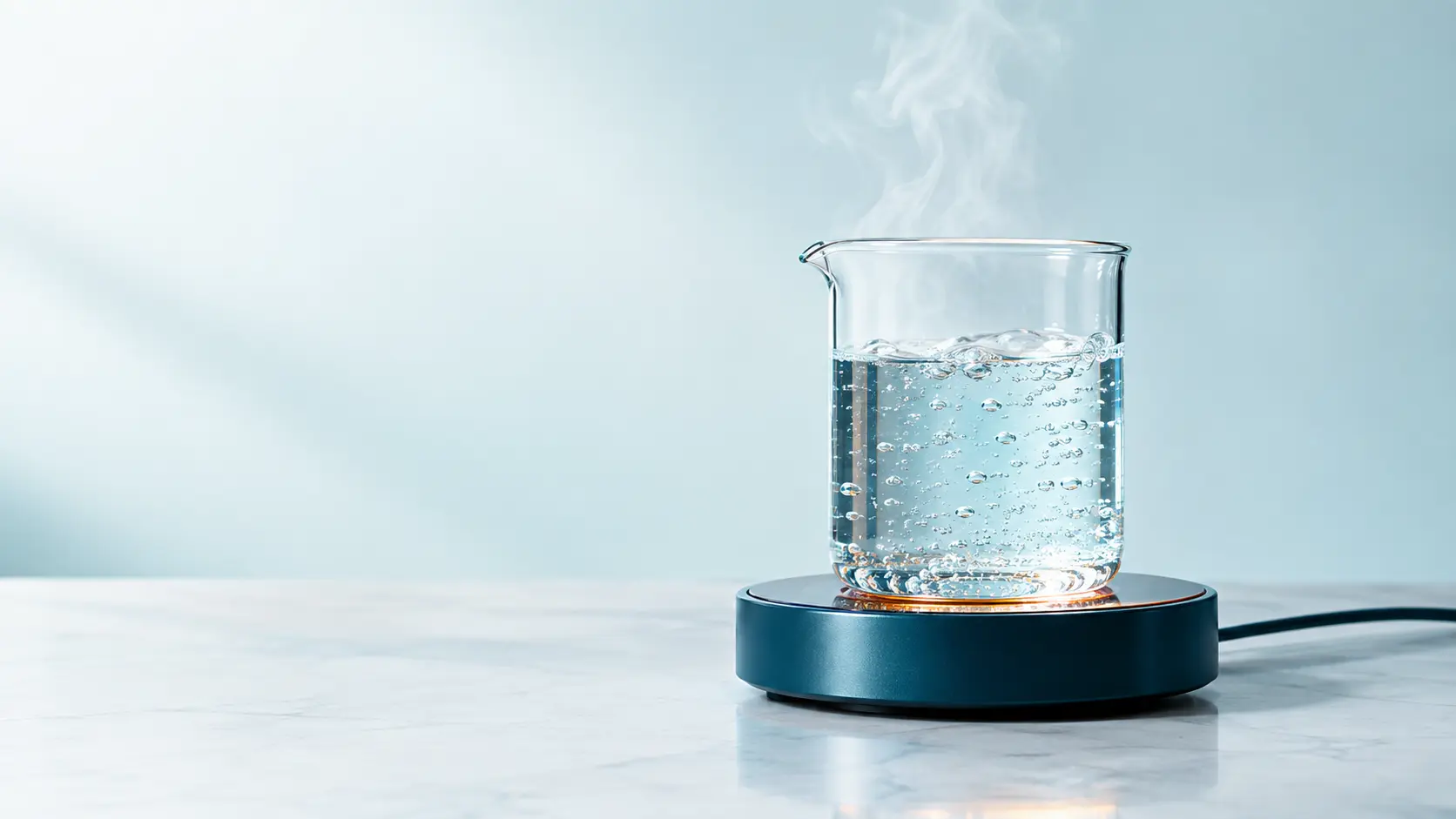
Specific Heat of Water: Why Water Heats and Cools Slowly
Water's specific heat is about 4.186 J/g°C — far higher than air, sand or metal. Here's why it heats and cools so slowly, with real numbers and a worked example.John Mac, PE··10 min read
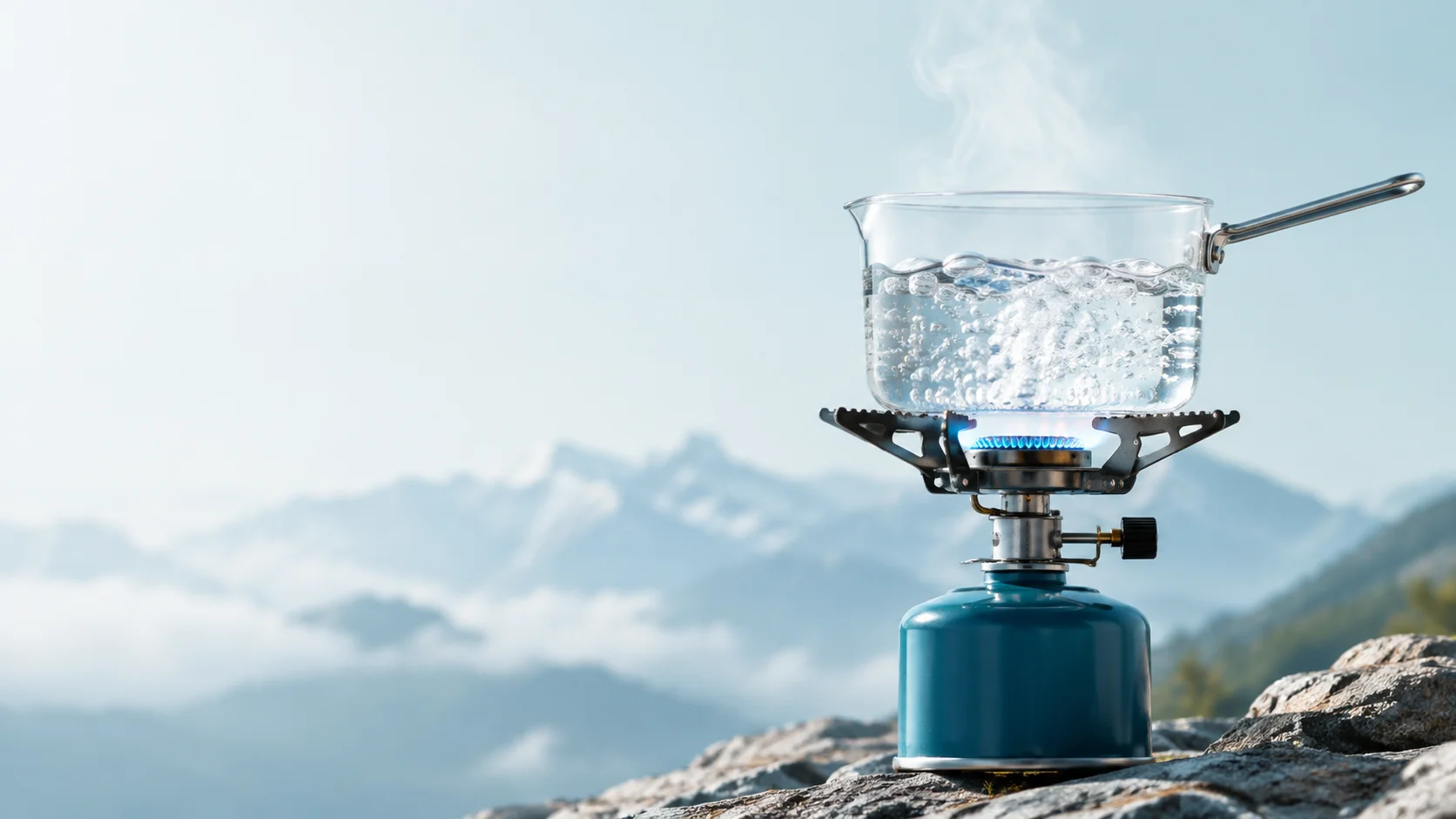
Boiling Point of Water at High Altitude (With Chart)
Water boils below 212°F as you climb — from about 202°F in Denver to just 161°F atop Everest. Here's the full chart and the physics behind it.John Mac, PE··10 min read
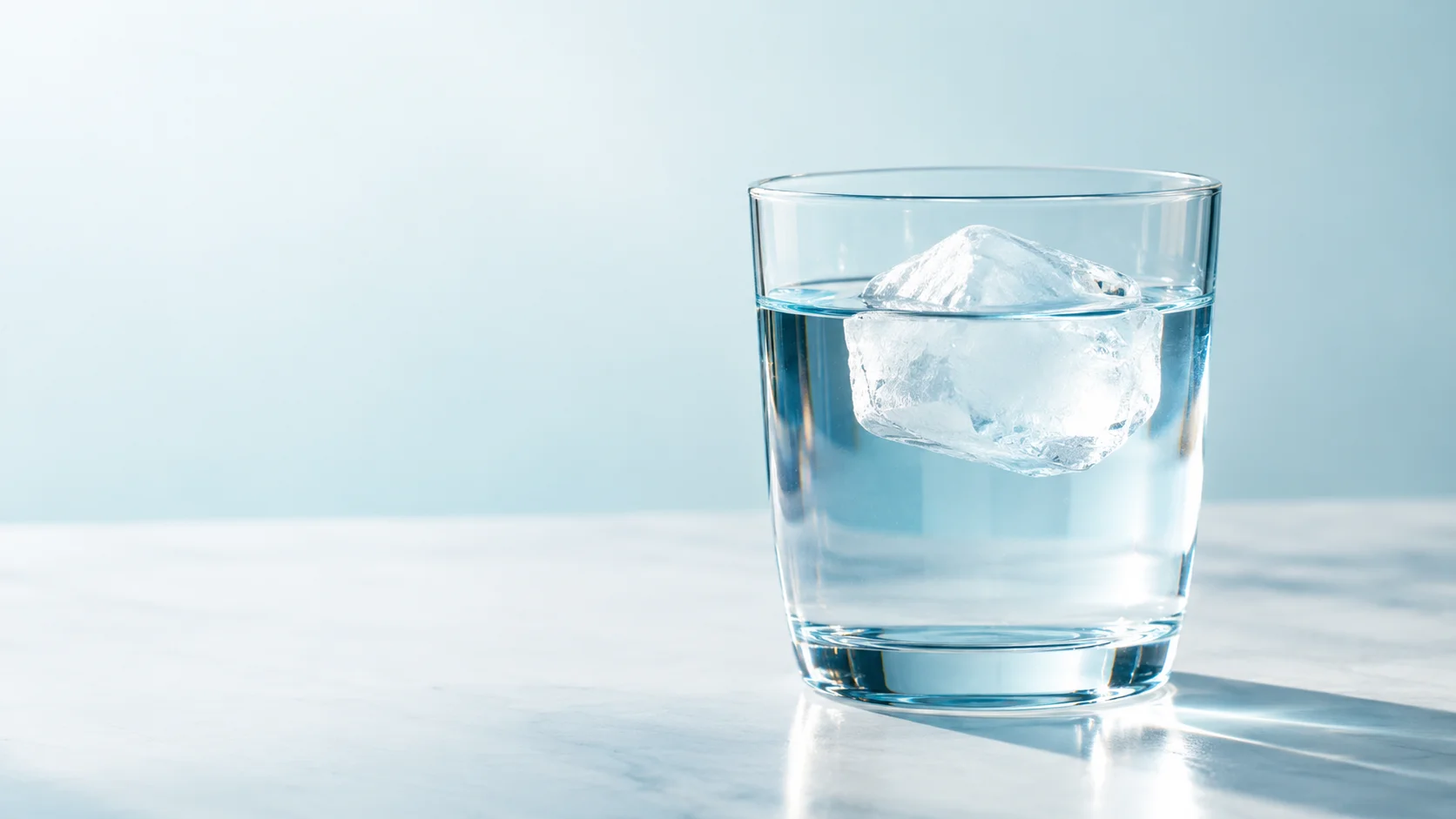
Why Does Ice Float on Water?
Freezing makes water expand about 9% and become less dense — here's the density science behind every floating ice cube, lake and iceberg.John Mac, PE··9 min read
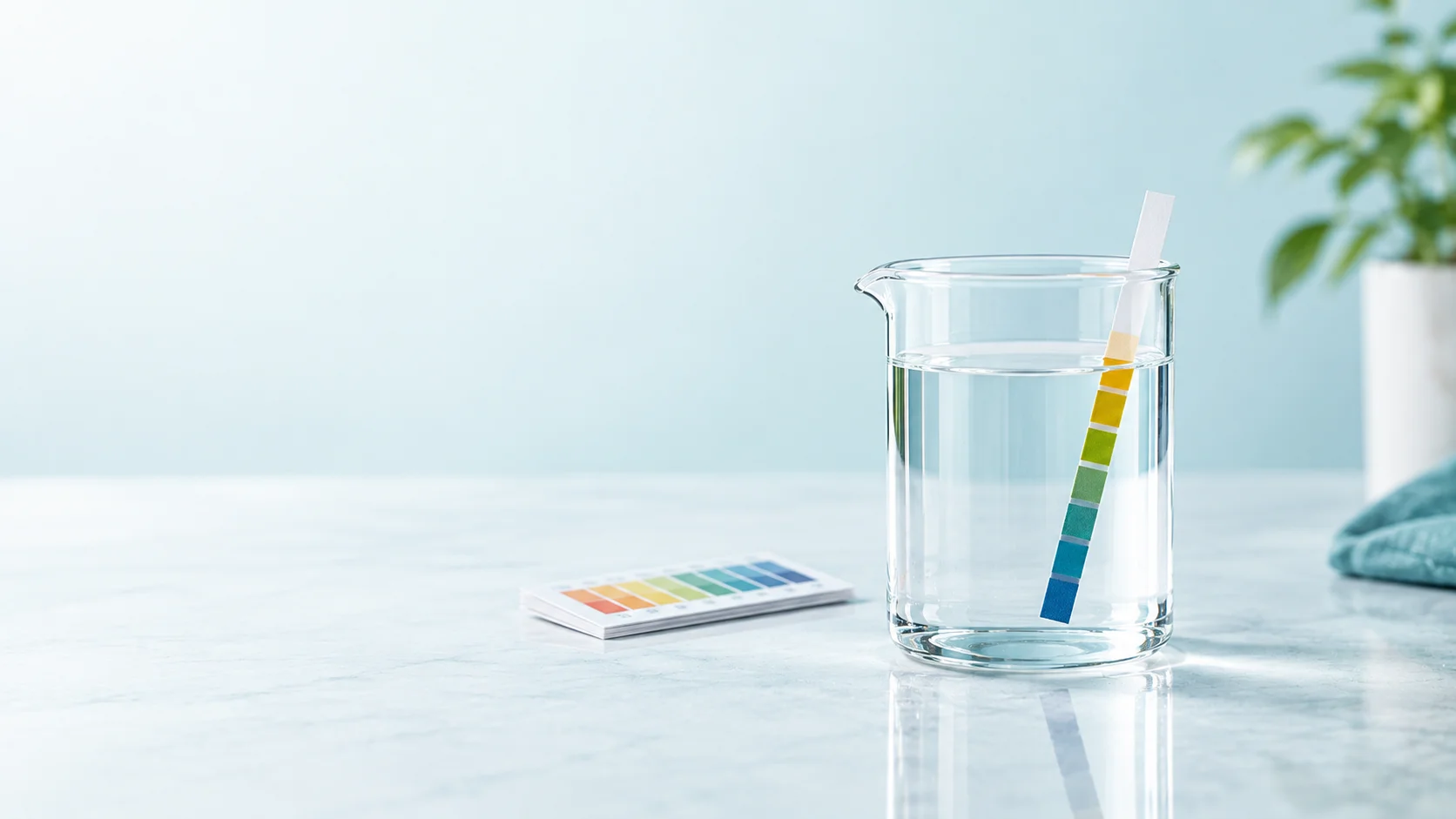
The pH of Water Explained
Pure water is pH 7, but rain, tap and well water rarely are. Here's what the scale means, the safe drinking range, and how to fix low or high pH. Sarah Bennett, MS··11 min read
Home Water Use & Conservation
Where household water actually goes — showers, toilets, laundry, dishwashing and irrigation — with real usage figures and the fixes that cut the biggest numbers first.
How Much Water Does the Average Household Use per Day?
The average US household uses 300+ gallons a day — here's the per-person figure, where every gallon goes indoors, and how to check your own use.Sarah Bennett, MS··12 min read

How Much Water Does One Person Use per Day?
The average American uses about 82 gallons a day at home — here's where every gallon goes and how to work out your own number.Sarah Bennett, MS··11 min read