 Water Science
How Much Does Water Weigh? A Complete Guide by Volume
A gallon, a liter, a cubic foot — here's exactly what water weighs, and why the number shifts a little with temperature. John Mac, PE··7 min read
 Water Science
Why Does Water's Weight Change With Temperature?
The same volume of water weighs a little less when it's hot and a little more near 4°C — here's the density science behind it.John Mac, PE··9 min read
 Water Science
Why Is Water Densest at 4°C?
Almost every liquid gets denser the colder it gets, all the way to freezing. Water breaks the rule — here's the hydrogen-bond physics behind it.John Mac, PE··11 min read
 Water Science
The Density of Water Explained (and Why It Matters)
Why water is densest at 4°C instead of at freezing, why ice floats instead of sinking, and how to calculate water's density at any temperature yourself.John Mac, PE··11 min read
 Water Science
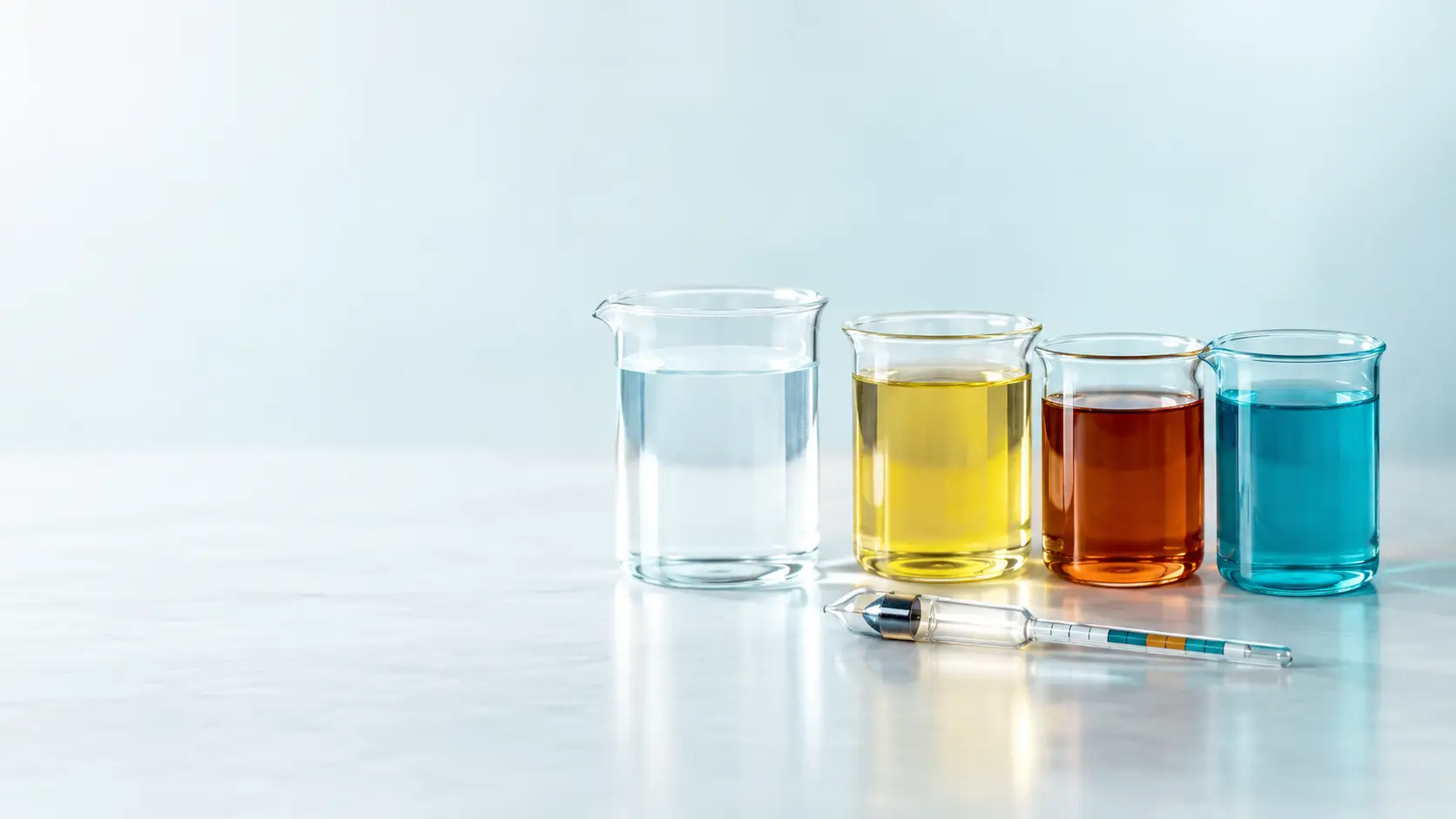
Specific Gravity of Water and Common Liquids
Water is the yardstick every other liquid gets measured against — what specific gravity means, how it differs from density, and where common liquids fall on the scale.John Mac, PE··9 min read
 Water Science
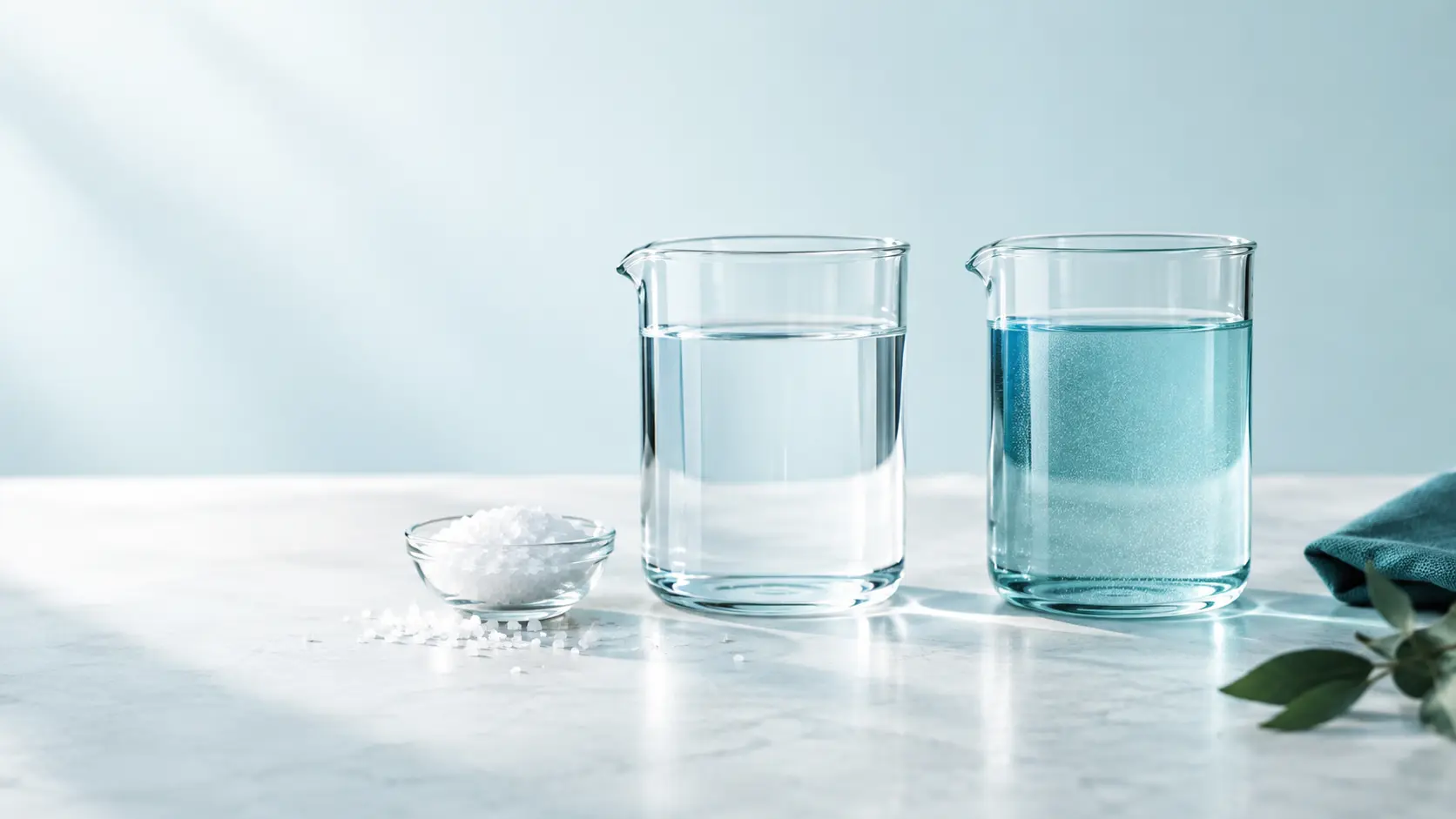
Fresh Water vs Salt Water: Density and Weight Differences
Salt water is about 2.5–3% denser than fresh water — see the gallon-by-gallon weight difference and the science behind it.John Mac, PE··10 min read
 Water Science
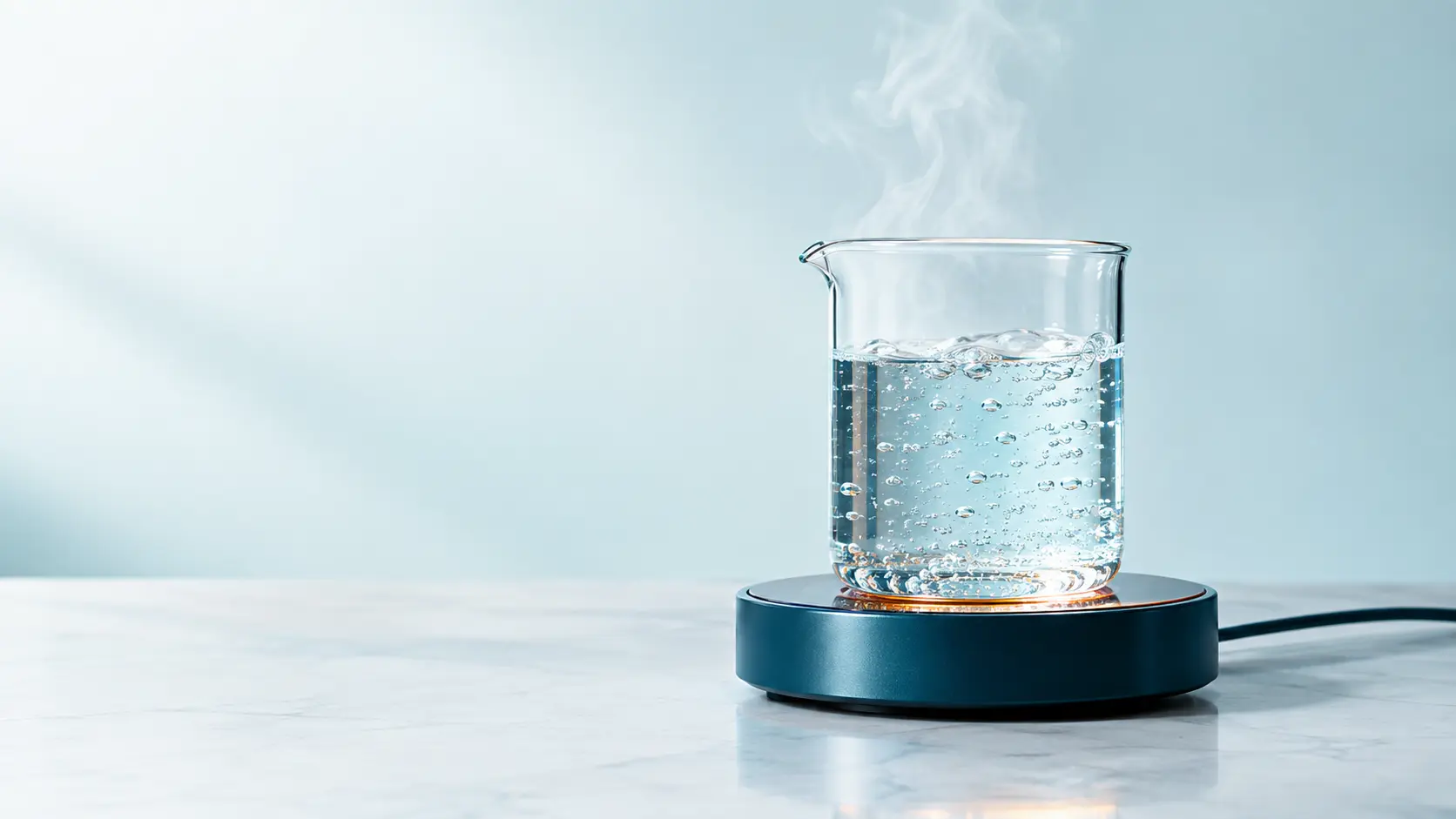
Specific Heat of Water: Why Water Heats and Cools Slowly
Water's specific heat is about 4.186 J/g°C — far higher than air, sand or metal. Here's why it heats and cools so slowly, with real numbers and a worked example.John Mac, PE··10 min read
 Water Science
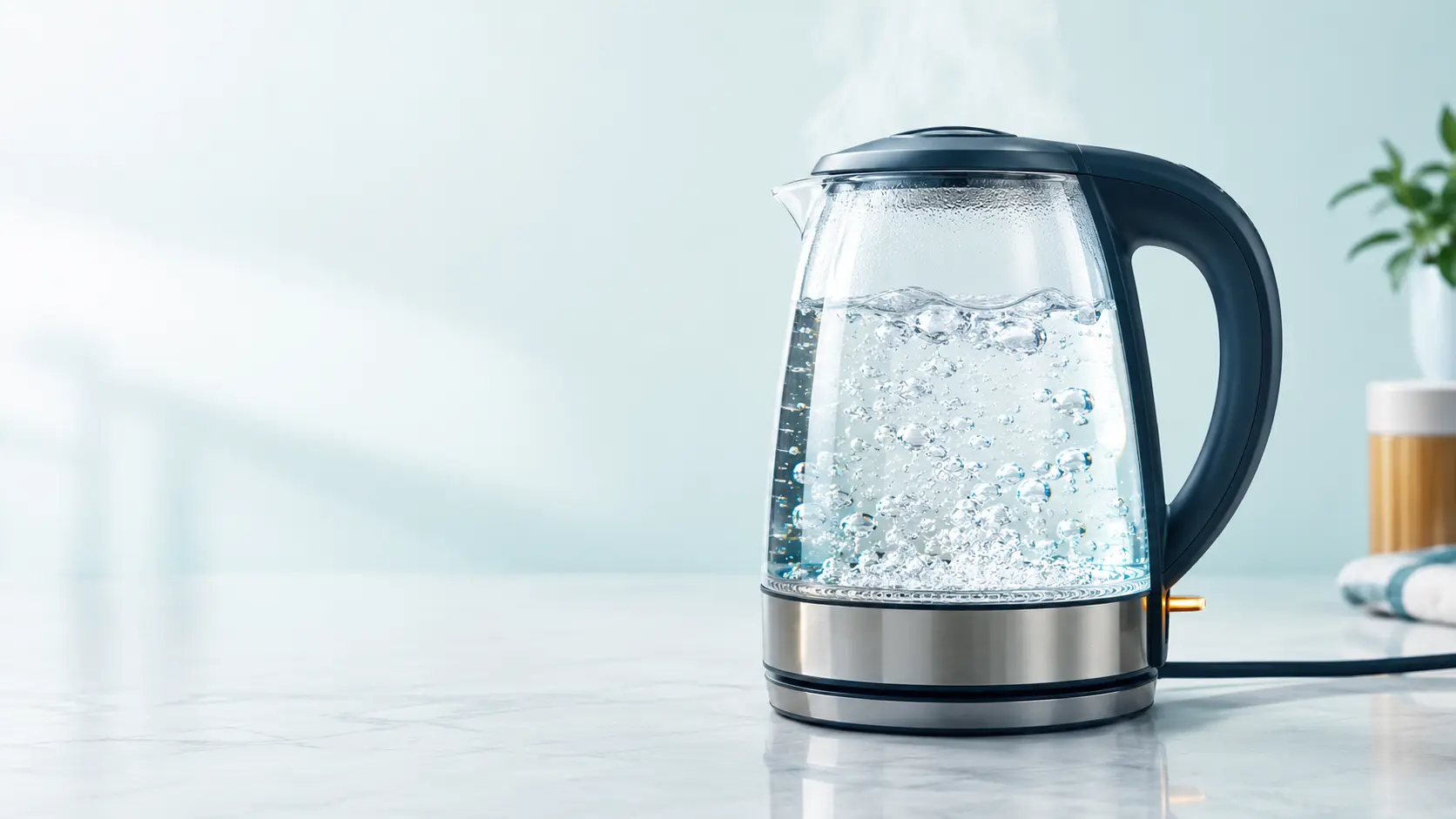
How Much Energy Does It Take to Heat Water?
From a cup of tea to a full water heater tank — the physics behind heating water, worked out in Btu and kWh, with real-world costs.John Mac, PE··9 min read
 Water Science
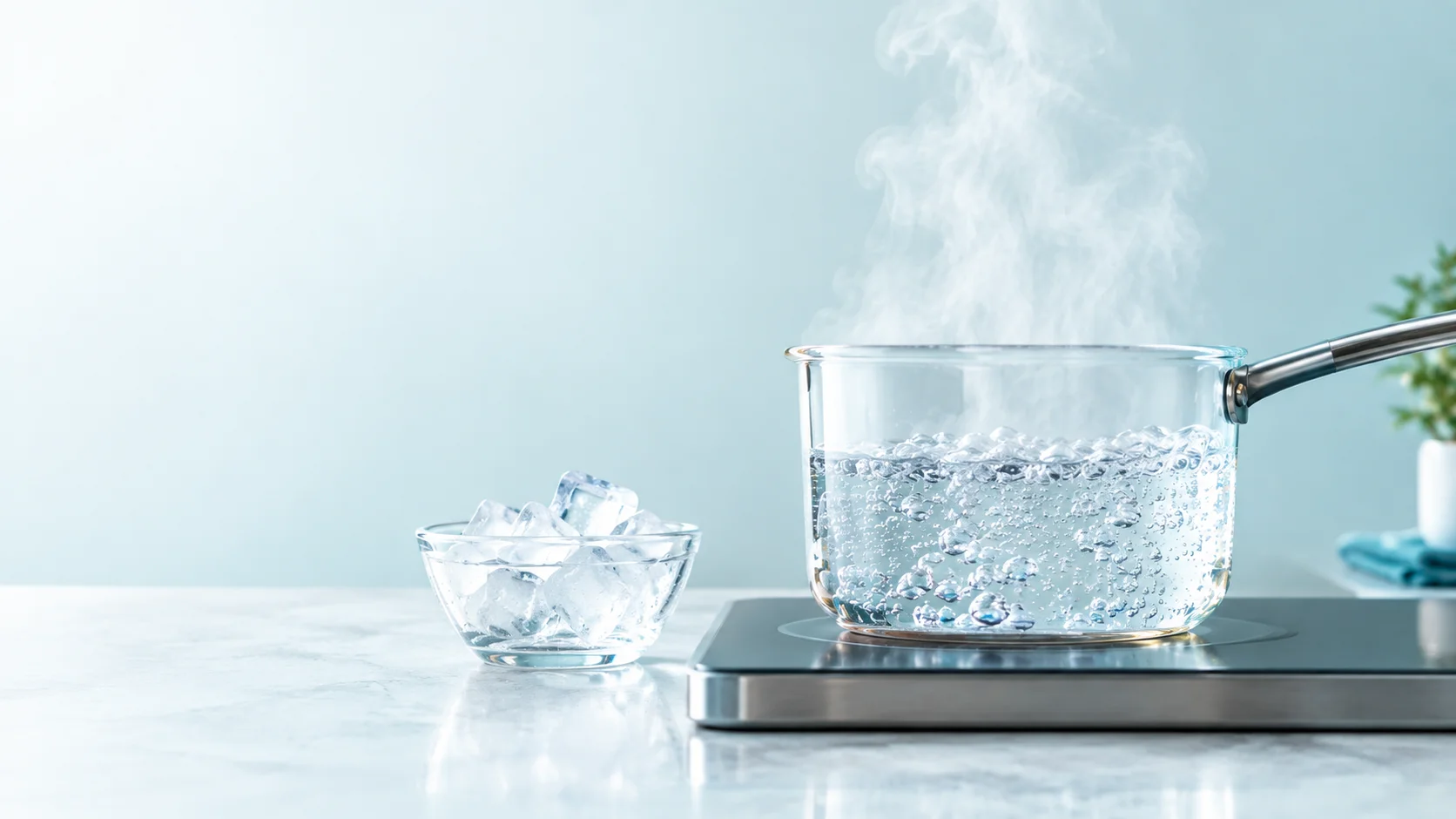
Latent Heat: Why Boiling and Melting Take So Much Energy
Melting a kilogram of ice takes real energy — but turning that same kilogram of boiling water into steam takes about five and a half times more. Here's the physics behind it.John Mac, PE··9 min read
 Water Science
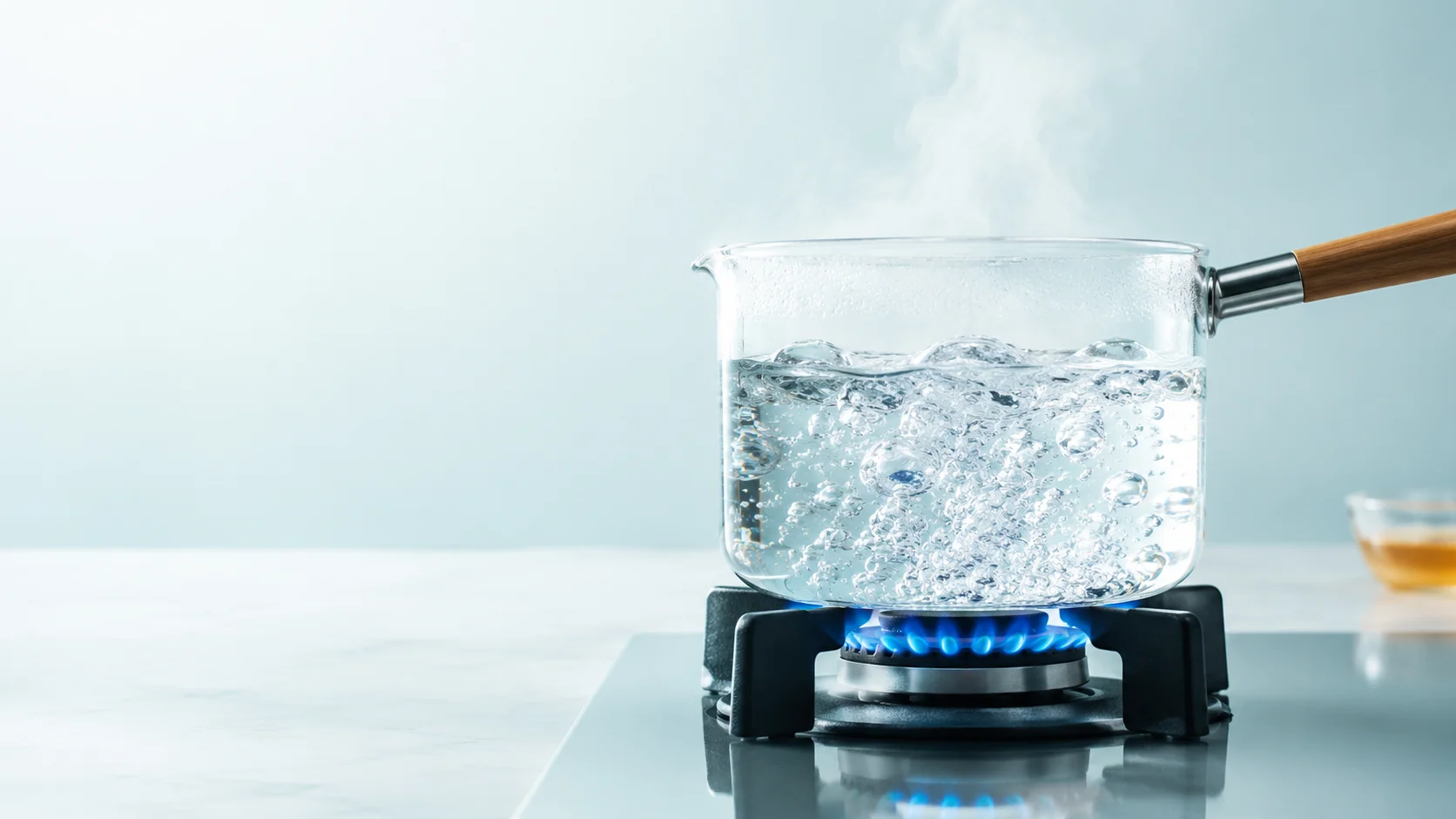
How Long Does It Take to Boil Water? (The Science)
A cup, a liter, a gallon — how volume, starting temperature and heat power decide boiling time, with a formula you can use yourself.John Mac, PE··10 min read
 Water Science
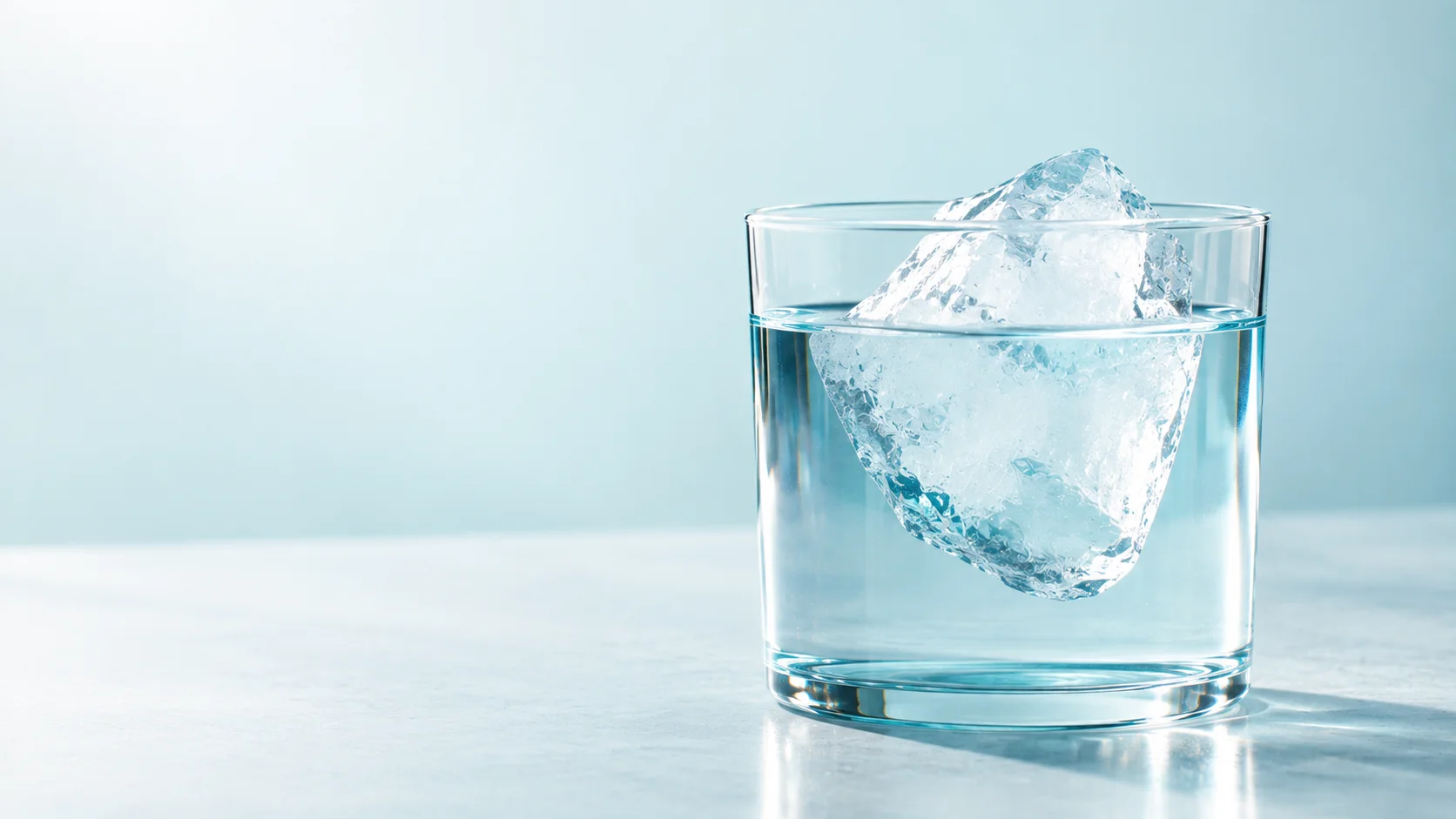
Why Does Water Expand When It Freezes?
Almost every liquid shrinks as it solidifies. Water does the opposite — here's the hydrogen-bond physics behind the ~9% expansion.John Mac, PE··10 min read
 Water Science
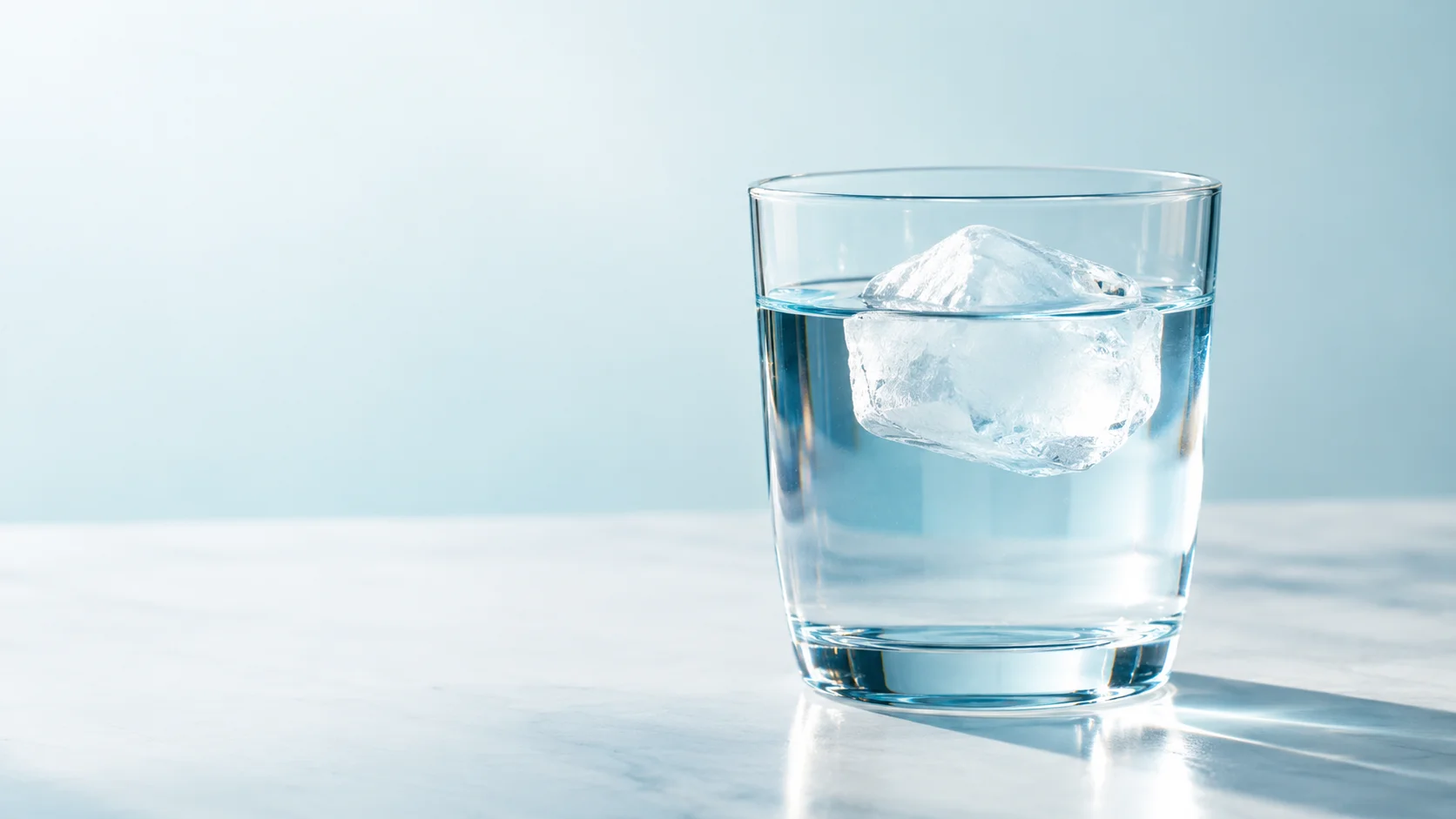
Why Does Ice Float on Water?
Freezing makes water expand about 9% and become less dense — here's the density science behind every floating ice cube, lake and iceberg.John Mac, PE··9 min read
 Water Science
The Three States of Water Explained
Ice, water and steam are the same molecule in three arrangements — here's how water moves between them, and why ice floats.John Mac, PE··10 min read
 Water Science
Boiling Point of Water at High Altitude (With Chart)
Water boils below 212°F as you climb — from about 202°F in Denver to just 161°F atop Everest. Here's the full chart and the physics behind it.John Mac, PE··10 min read
 Water Science
Water Viscosity Explained (With Temperature Chart)
Water flows six times more easily near boiling than near freezing — here's the full temperature chart and the physics behind it.John Mac, PE··10 min read
 Water Science
Surface Tension of Water: Why It Beads and Climbs
Water's surface tension is about 72.7 mN/m at 20°C — here's why it makes drops bead, pulls water up narrow tubes, and shifts with heat and soap.John Mac, PE··11 min read
 Water Science
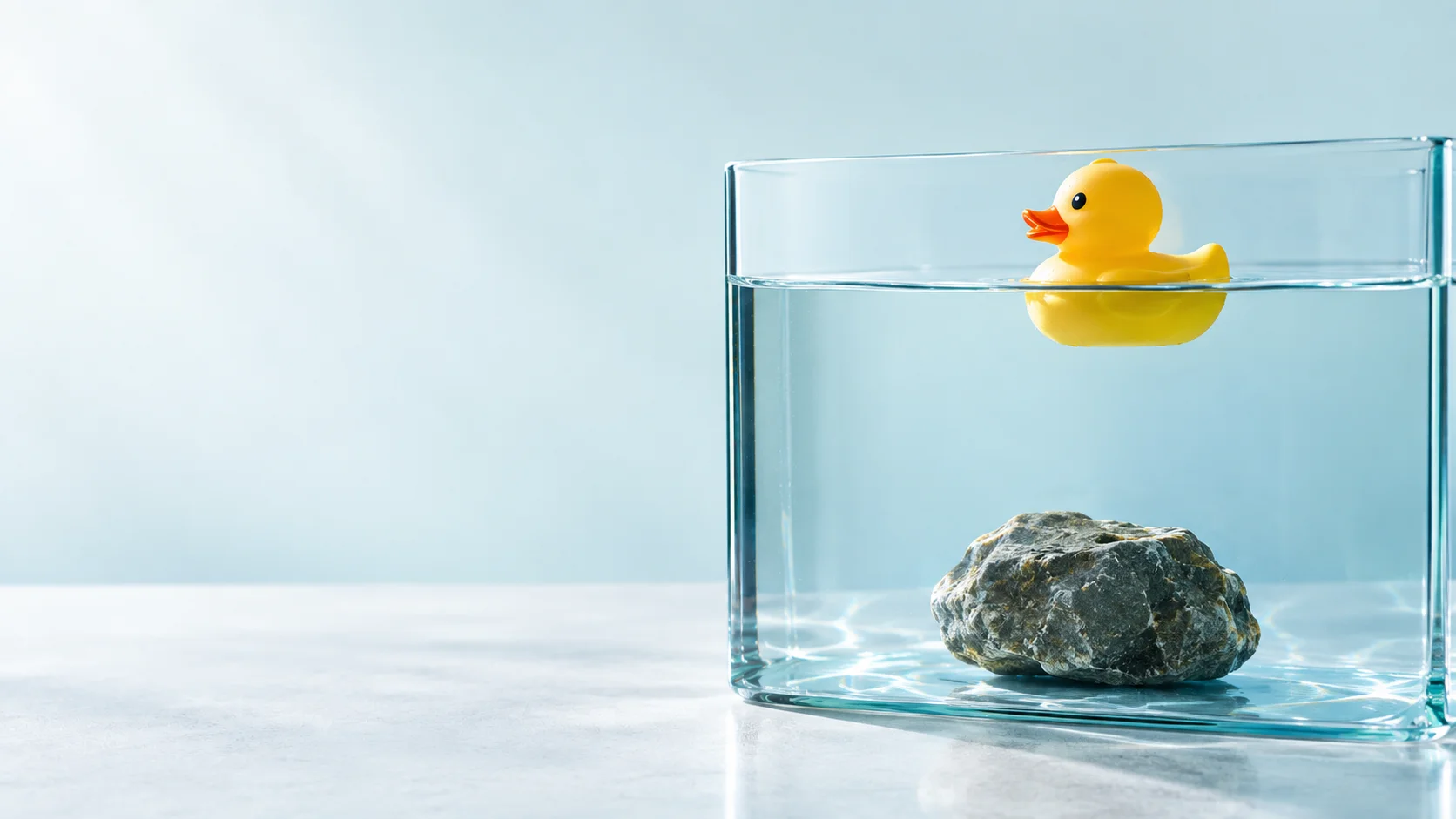
Buoyancy Explained: Why Things Float in Water
Water pushes up on everything in it — here's how buoyant force and density decide what floats, why steel ships stay afloat, and how to calculate it.John Mac, PE··11 min read
 Water Science
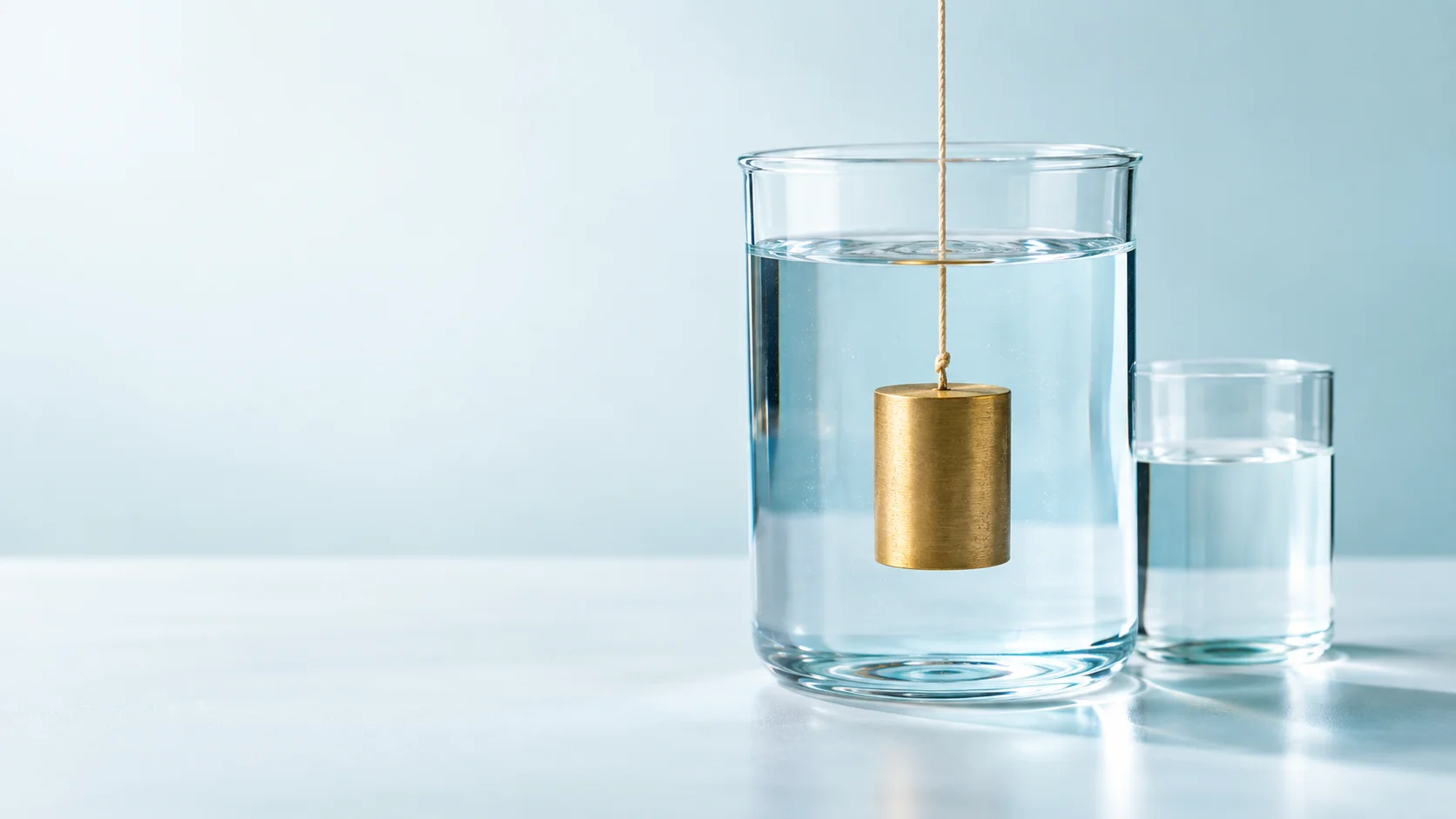
Water Displacement and Archimedes' Principle
Why a multi-ton steel ship floats and a small pebble sinks — the physics of displacement and the buoyancy formula behind it.John Mac, PE··10 min read
 Water Science
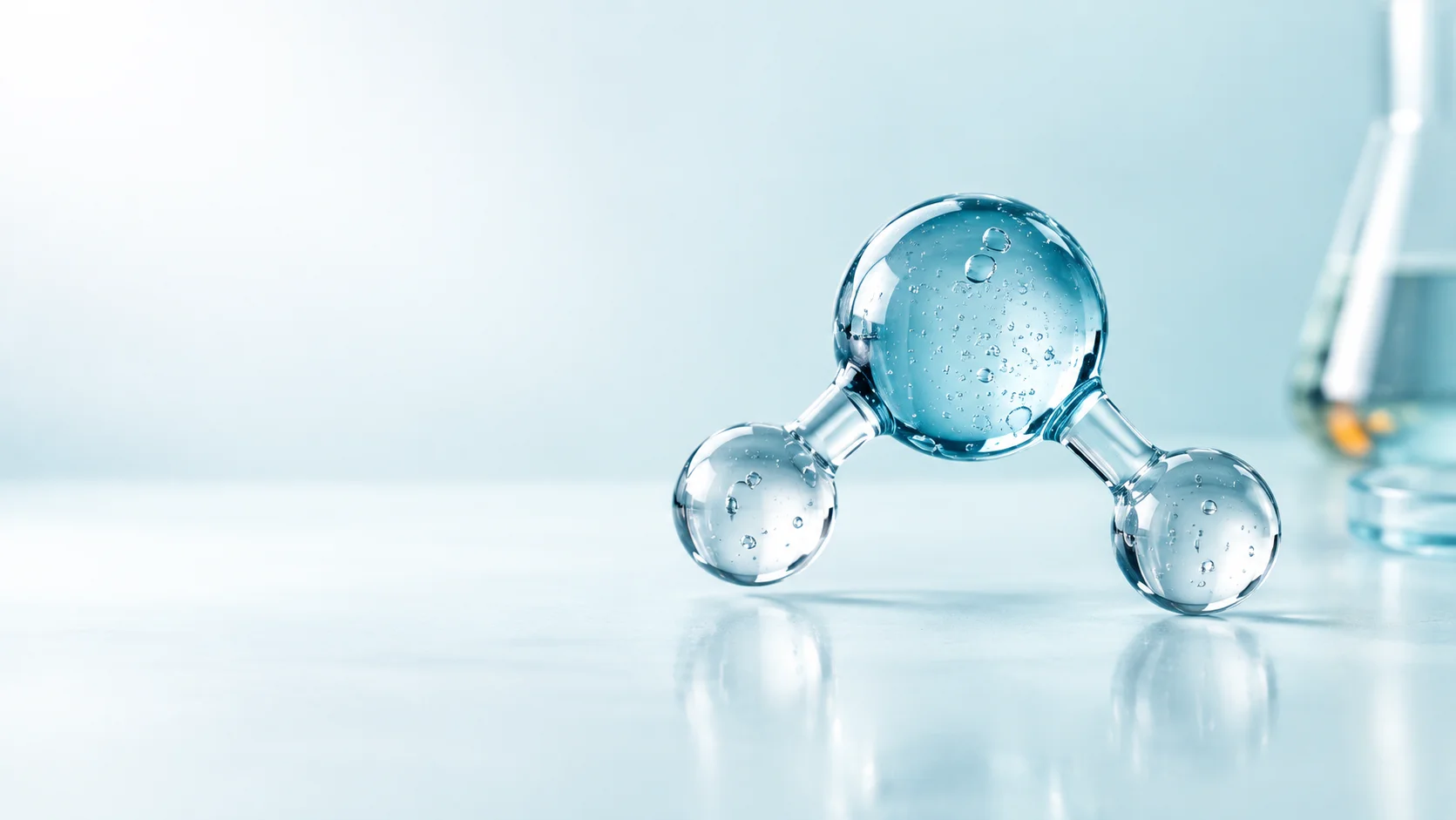
The Chemistry of Water (H₂O) Explained Simply
A bent molecule, hydrogen bonds and an uneven sharing of electrons — here's how they explain water's pH, polarity and power as a solvent.John Mac, PE··10 min read
 Water Science
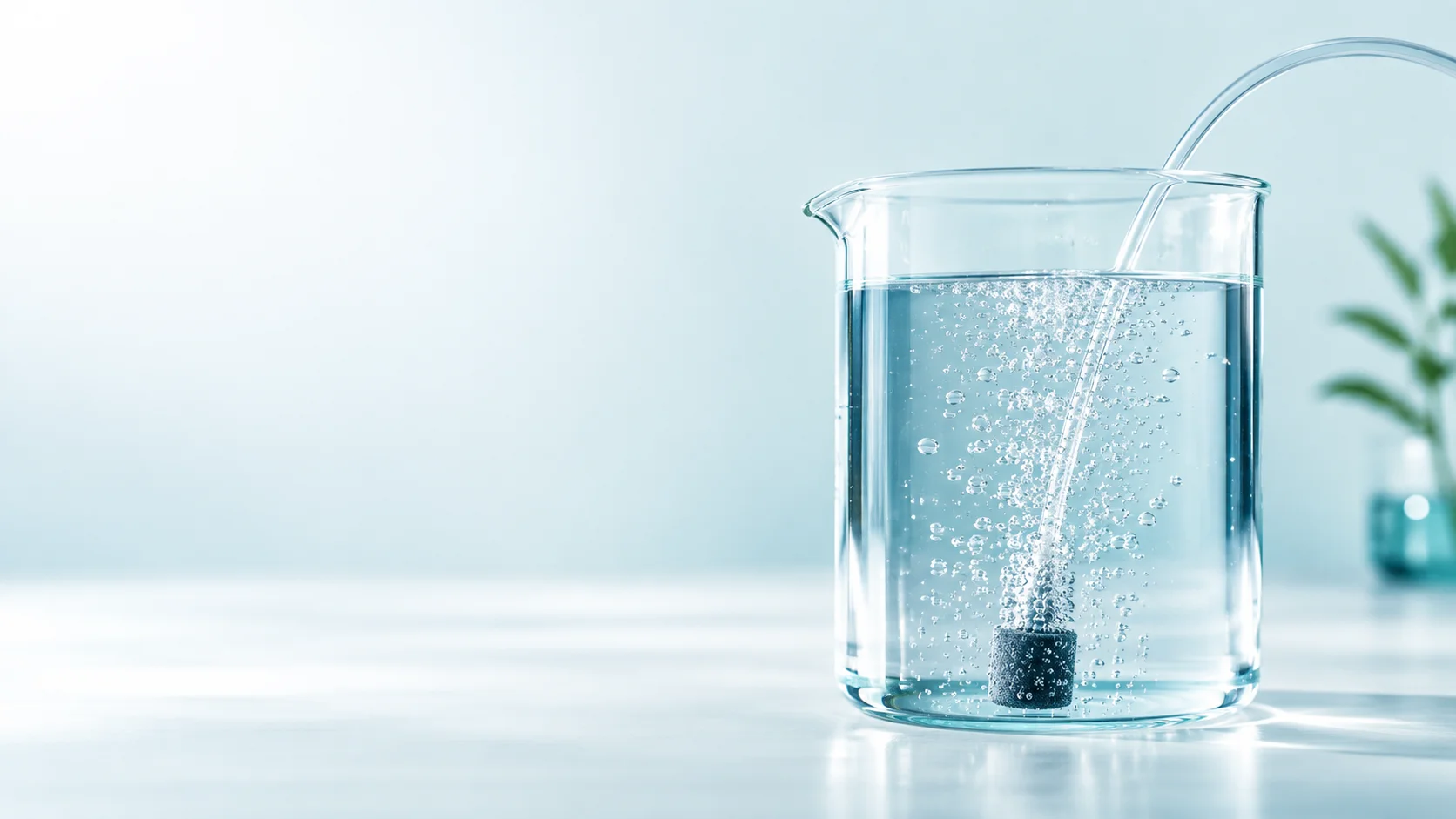
Dissolved Oxygen in Water: Why It Matters
Fish and microbes depend on the oxygen dissolved in water — here's how much it can hold, why warm water holds less, and what the numbers mean. Sarah Bennett, MS··11 min read
 Water Science
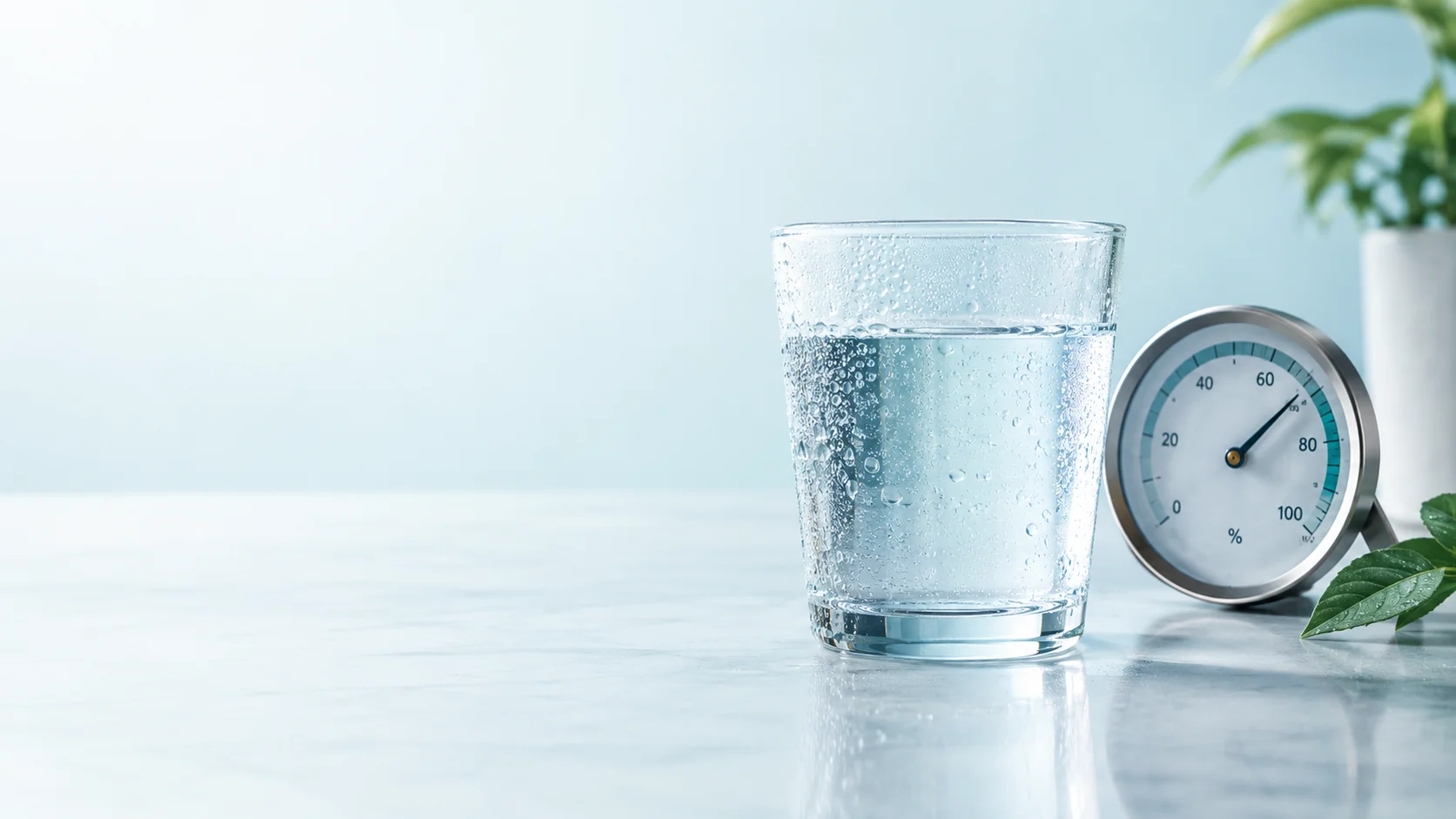
Dew Point and Humidity Explained: What the Numbers Really Mean
Relative humidity is what your weather app shows; dew point is what meteorologists trust. Here's what each measures and how to read both.John Mac, PE··10 min read
 Water Science
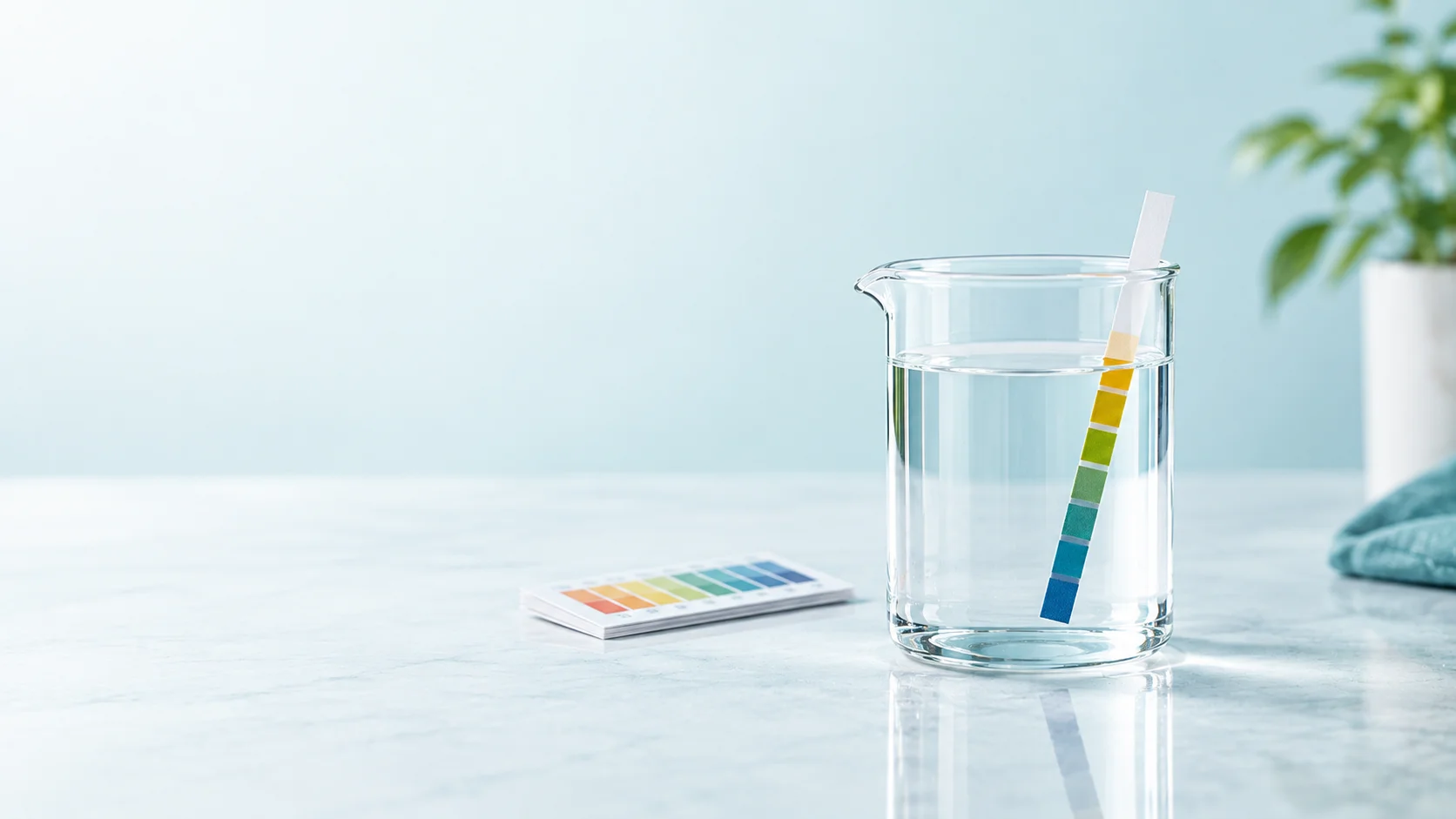
The pH of Water Explained
Pure water is pH 7, but rain, tap and well water rarely are. Here's what the scale means, the safe drinking range, and how to fix low or high pH.Sarah Bennett, MS··11 min read